How to Lose Weight Naturally in 2026: A Complete Beginner’s Guide
Maintaining a healthy weight is one of the best ways to improve your overall health and well-being. While many diets, supplements, and weight loss programs promise quick results, lasting weight loss usually comes from healthy habits that you can maintain over time. There is no single solution that works for everyone, but making gradual lifestyle changes can help you achieve your goals safely and naturally.
If you’re looking for practical and sustainable ways to lose weight in 2026, this guide covers the most effective habits to help you build a healthier lifestyle.
Disclaimer: This article is for educational purposes only and should not be considered medical advice. If you have a medical condition or are planning significant changes to your diet or exercise routine, consult a qualified healthcare professional.
Why Choose Natural Weight Loss?
Natural weight loss focuses on improving your daily habits rather than relying on crash diets or quick fixes. Instead of losing weight rapidly and gaining it back later, a healthy approach helps you develop long-term habits that support your overall health.
Benefits of natural weight loss include:
- Better heart health
- Increased energy levels
- Improved sleep quality
- Better digestion
- Reduced risk of chronic diseases
- Improved confidence
- Sustainable long-term results
The goal is not simply to lose weight but to build a healthier lifestyle that you can maintain for years.
Eat a Balanced Diet
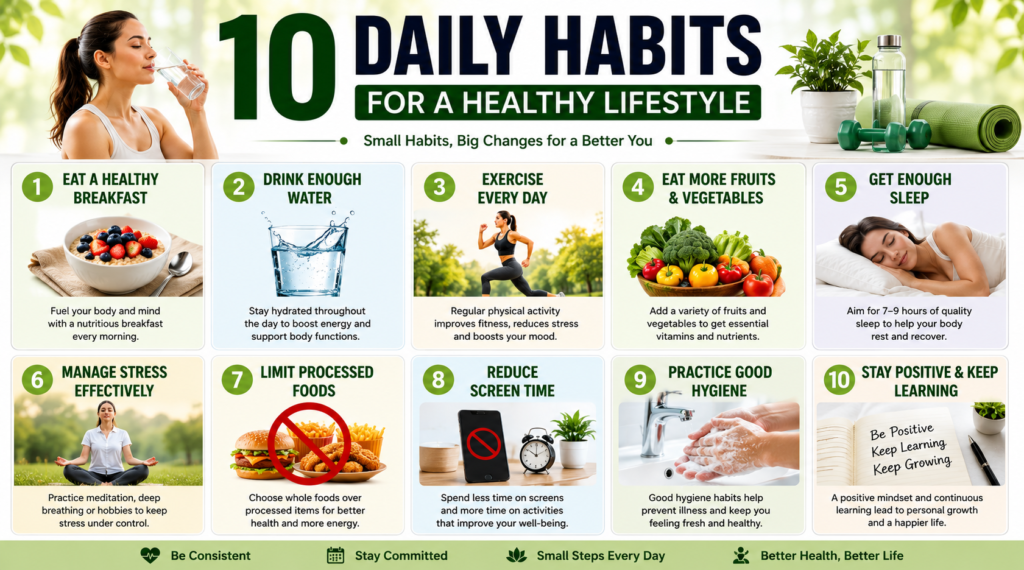
One of the most important factors in healthy weight management is eating a balanced diet. Your meals should include a variety of nutrient-rich foods that provide your body with the energy it needs.
A balanced diet may include:
- Fresh vegetables
- Fruits
- Whole grains
- Lean proteins
- Healthy fats
- Low-fat dairy products
Try to reduce your intake of highly processed foods, sugary drinks, and snacks that are high in added sugar and unhealthy fats. Small dietary improvements made consistently can lead to meaningful long-term progress.
Control Portion Sizes
Even healthy foods can contribute to weight gain if consumed in very large portions.
Simple ways to manage portions include:
- Use smaller plates.
- Eat slowly and chew your food thoroughly.
- Stop eating when you feel comfortably full.
- Avoid eating while watching TV or using your phone.
- Plan your meals in advance.
Being mindful of portion sizes can help reduce excess calorie intake without feeling deprived.
Drink Plenty of Water
Staying hydrated is essential for overall health. Drinking enough water may also help you feel full before meals and reduce the temptation to consume sugary beverages.
Consider these habits:
- Drink water throughout the day.
- Carry a reusable water bottle.
- Replace sugary soft drinks with water or unsweetened beverages.
- Drink a glass of water before meals if it suits your routine.
Proper hydration supports normal body functions and can be part of a healthy weight management plan.
Exercise Regularly
Physical activity plays an important role in maintaining a healthy weight.
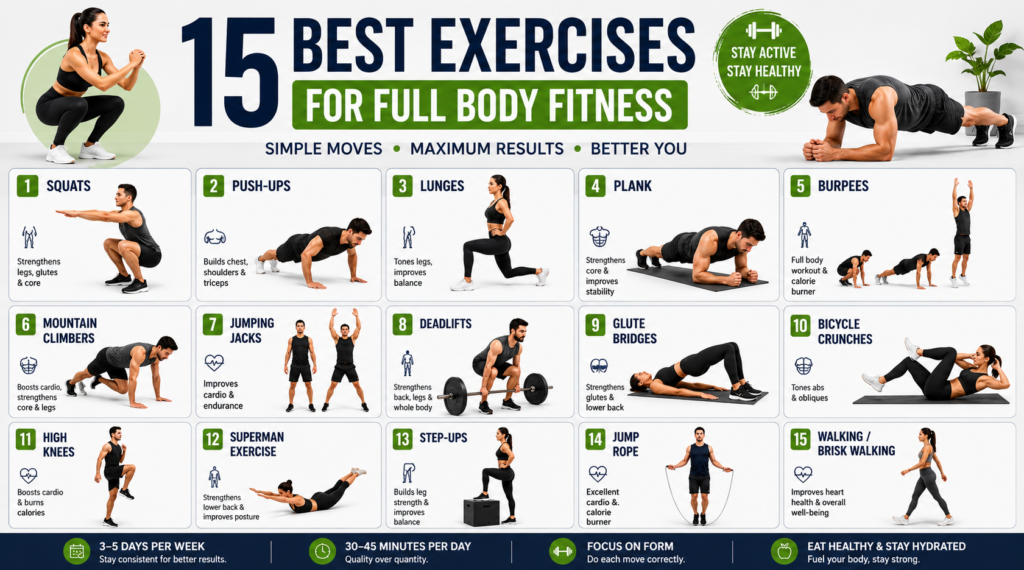
Aim for activities you enjoy, such as:
- Walking
- Jogging
- Cycling
- Swimming
- Strength training
- Yoga
- Home workouts
Even 30 minutes of moderate exercise on most days of the week can support your overall health. If you’re new to exercise, start slowly and gradually increase your activity level.
Include Strength Training
Many people focus only on cardio, but strength training is also important.
Resistance exercises help maintain and build muscle, which supports overall fitness and can contribute to healthy weight management.
Examples include:
- Bodyweight exercises
- Resistance bands
- Dumbbells
- Gym machines
Try incorporating strength training into your routine two or three times each week if appropriate for your fitness level.
Get Enough Sleep
Sleep is often overlooked when people try to lose weight.
Poor sleep may affect hunger hormones, energy levels, and daily food choices.
Healthy sleep habits include:
- Sleeping 7 to 9 hours each night.
- Following a consistent bedtime schedule.
- Reducing screen time before bed.
- Creating a quiet and comfortable sleeping environment.
Good sleep supports both physical and mental health.
Manage Stress
Stress can influence eating habits and make it more difficult to maintain healthy routines.
Healthy ways to manage stress include:
- Deep breathing exercises
- Meditation
- Spending time outdoors
- Reading
- Listening to music
- Talking with friends or family
- Regular physical activity
Finding healthy ways to cope with stress can support your overall wellness goals.
Avoid Sugary Drinks
Many beverages contain significant amounts of added sugar without providing lasting fullness.
Try replacing sugary drinks with:
- Water
- Sparkling water
- Herbal tea
- Black coffee (without excessive sugar)
- Unsweetened green tea
Making this simple change can reduce unnecessary calorie intake.
Choose Healthy Snacks
Instead of processed snacks, choose nutritious options between meals.
Examples include:
- Fresh fruit
- Greek yogurt
- Mixed nuts
- Boiled eggs
- Carrot sticks
- Cucumber slices
- Apple with peanut butter
Healthy snacks can help manage hunger while providing important nutrients.
Be Consistent
Consistency is more important than perfection.
Many people give up after missing a workout or enjoying an occasional treat. Remember that one unhealthy meal or one missed workout will not determine your overall progress.
Focus on building healthy habits over weeks and months rather than expecting immediate results.
Small improvements made consistently often lead to long-term success.
Common Weight Loss Mistakes
Avoid these common mistakes:
- Skipping meals
- Following extremely restrictive diets
- Expecting instant results
- Not drinking enough water
- Ignoring sleep
- Avoiding strength training
- Eating too quickly
- Relying only on supplements
Learning from these mistakes can help you stay on track.
Healthy Lifestyle Beyond Weight Loss
A healthy lifestyle offers benefits that extend beyond the number on the scale.
Healthy habits can contribute to:
- Better cardiovascular health
- Improved mobility
- Increased confidence
- Better mental well-being
- Stronger muscles and bones
- Improved daily energy
- Better quality of life
Instead of focusing only on weight, consider your overall health and well-being.
Final Thoughts
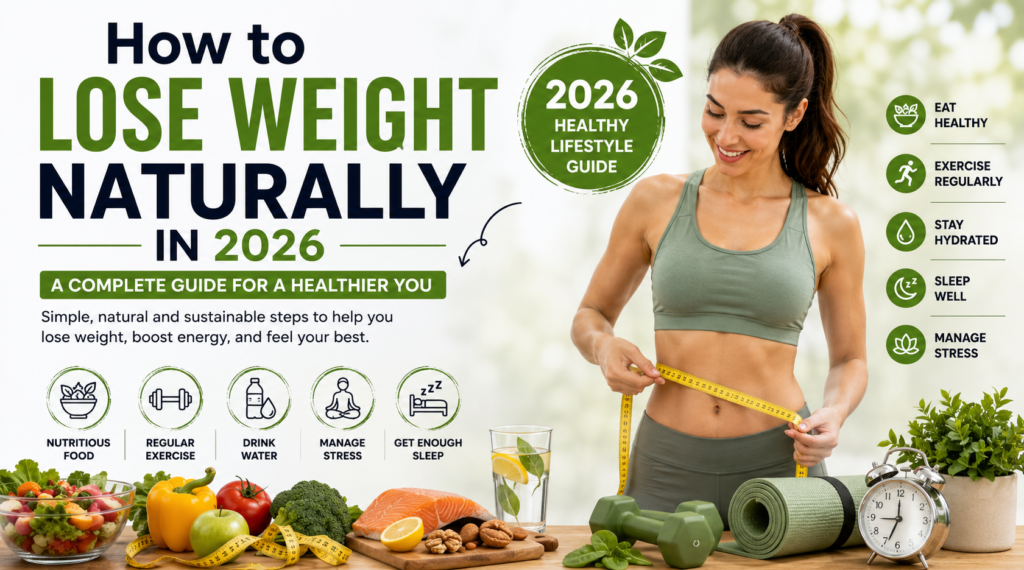
Losing weight naturally in 2026 is about creating healthy habits that fit your lifestyle rather than searching for quick solutions. Eating a balanced diet, staying active, getting enough sleep, drinking plenty of water, managing stress, and remaining consistent are all important parts of a sustainable approach to weight management.
Remember that everyone’s journey is different. Progress may take time, but small daily improvements can add up to meaningful long-term results. Focus on making healthier choices that you can maintain, and celebrate every positive step toward a healthier lifestyle.
Healthy weight management is not about perfection. It is about building habits that support your health, improve your energy, and help you feel your best for years to come.